

CRM and RevOps
Practical guides, checklists and decision frameworks for this marketing and revenue topic.
Scale Orbit Editorial
Research and practical guidance from our team
This editorial library contains articles prepared for Scale Orbit and reviewed by our team before publication. It is separate from Community Publications, where independent authors and practitioners publish under their own profiles and follow a dedicated moderation process.
-
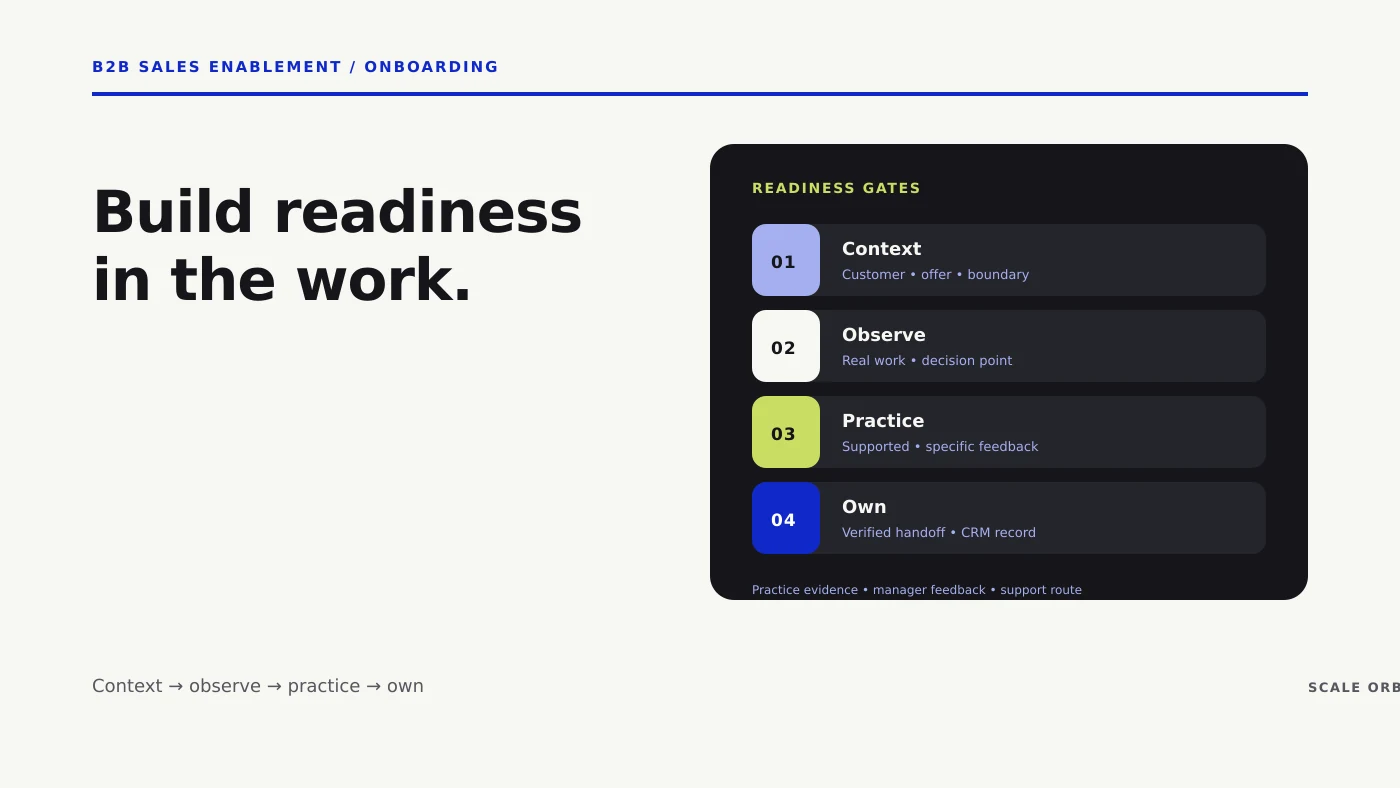
B2B Sales Onboarding Plan: Build a Ramp Program Around Evidence
A role-based sales onboarding plan for building customer, product, process, and CRM readiness through supported practice.
-
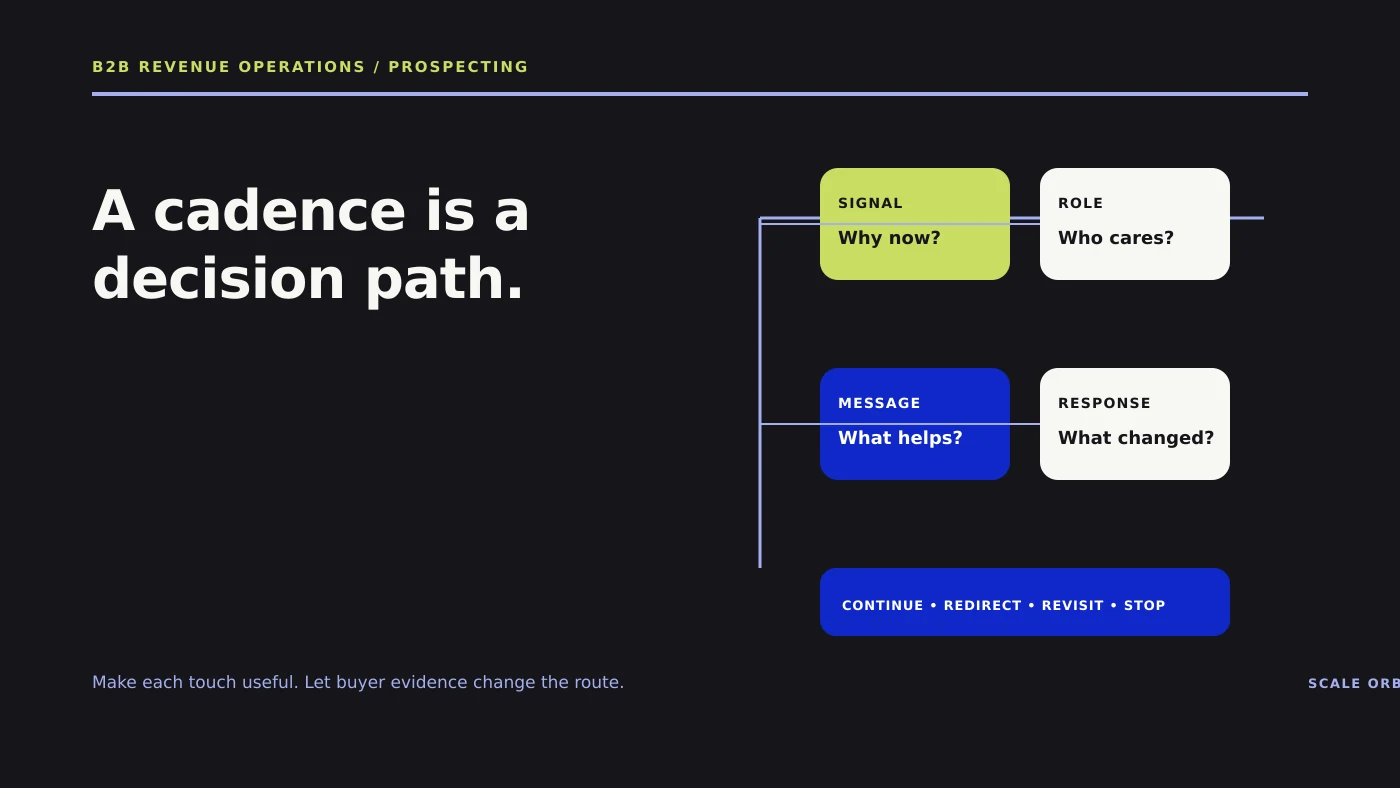
B2B Sales Cadence: Build a Relevant Multi-Channel Prospecting Plan
A B2B sales cadence framework for planning relevant outreach, assigning a distinct role to each touch, and stopping when buyer evidence changes.
-
B2B RFP Response Process: Qualify, Coordinate, and Submit a Stronger Bid
A seller-side B2B RFP response process for making a bid decision, coordinating evidence, validating commitments, and checking submission.
-
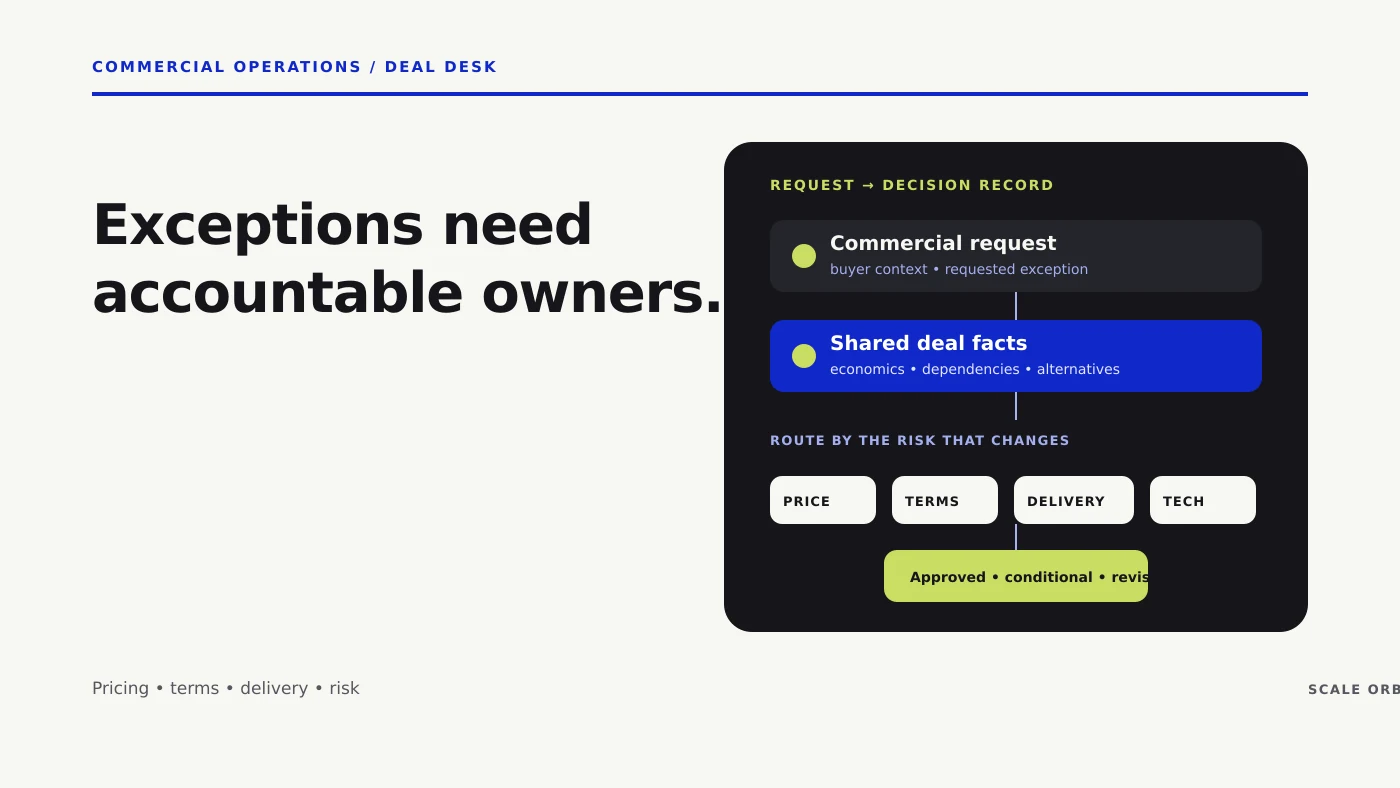
B2B Deal Desk: Build a Clear Approval Process for Complex Deals
A practical B2B deal desk workflow for reviewing commercial exceptions, assigning decision owners, and carrying approved terms into delivery.
-
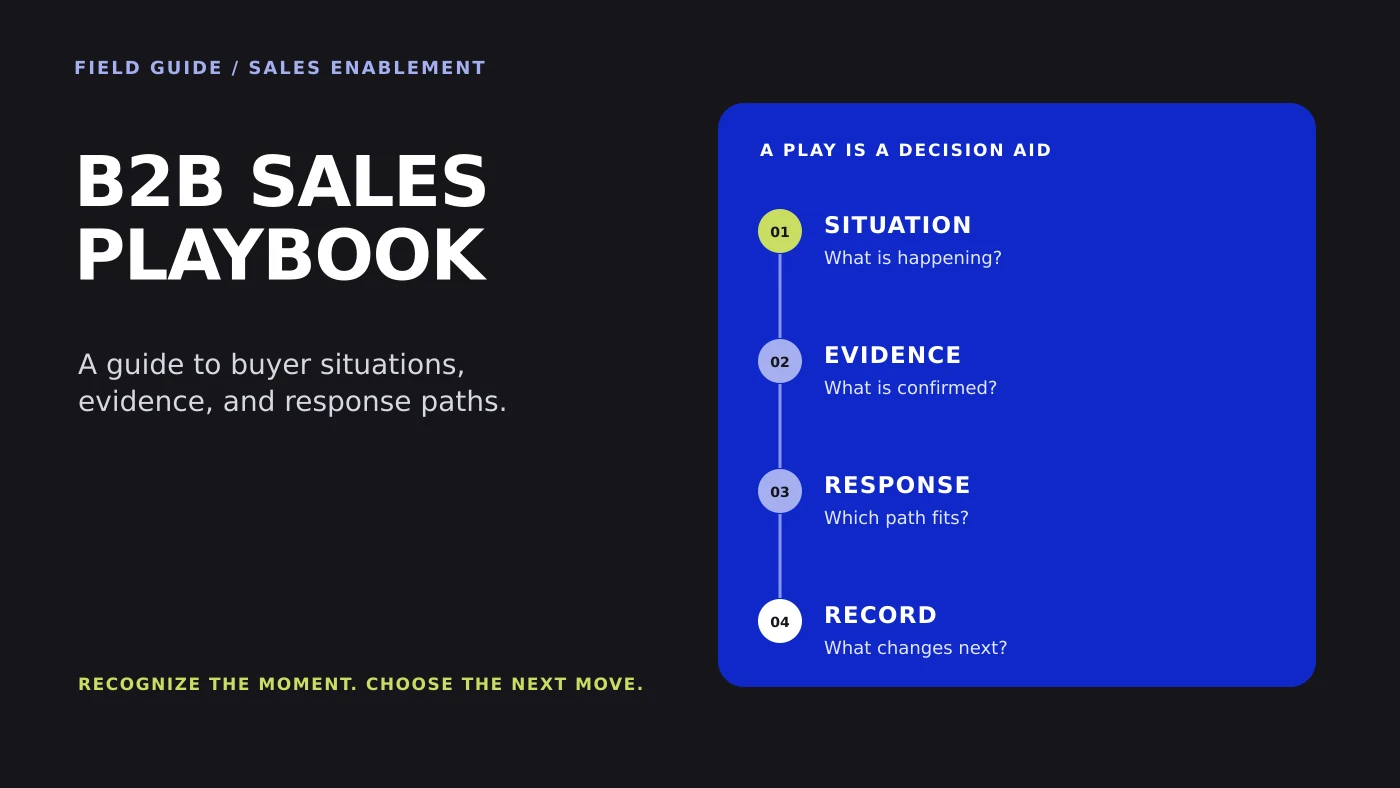
B2B Sales Playbook: Build a Guide Reps Can Use in the Field
A field-ready sales playbook structure for helping reps respond to buyer situations with evidence, options, and clear guardrails.
-
B2B Sales Capacity Planning: Forecast Coverage Before Hiring
A sales capacity planning method for comparing expected workload with available, ramp-adjusted seller time and specialist support.
-
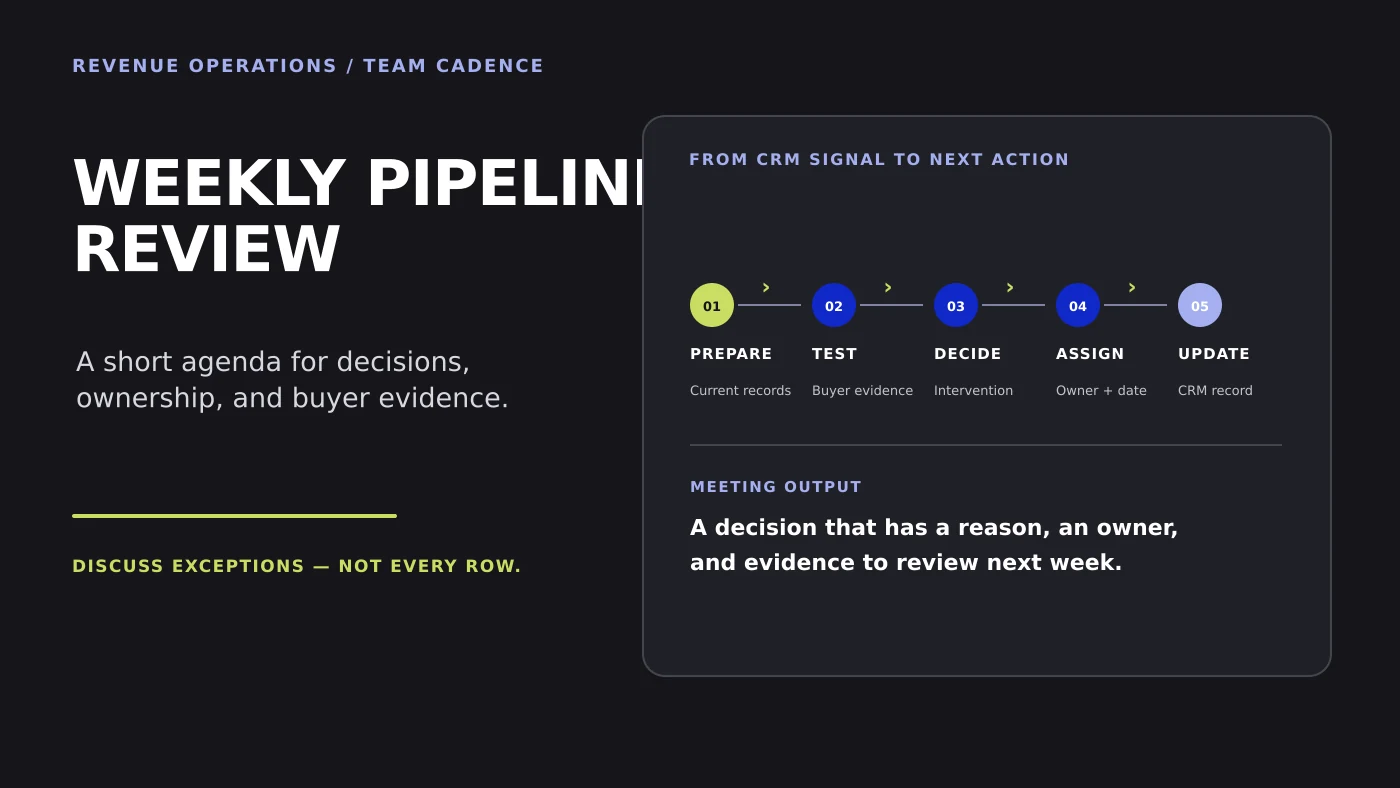
B2B Sales Pipeline Review: A Weekly Agenda That Produces Decisions
A weekly B2B sales pipeline review agenda for turning opportunity changes into decisions, owners, and evidence to check next.
-
B2B Account Planning: Build a Plan the Sales Team Can Use
A practical B2B account planning guide for connecting buyer evidence, commercial priorities, buying roles, and sales actions.
-
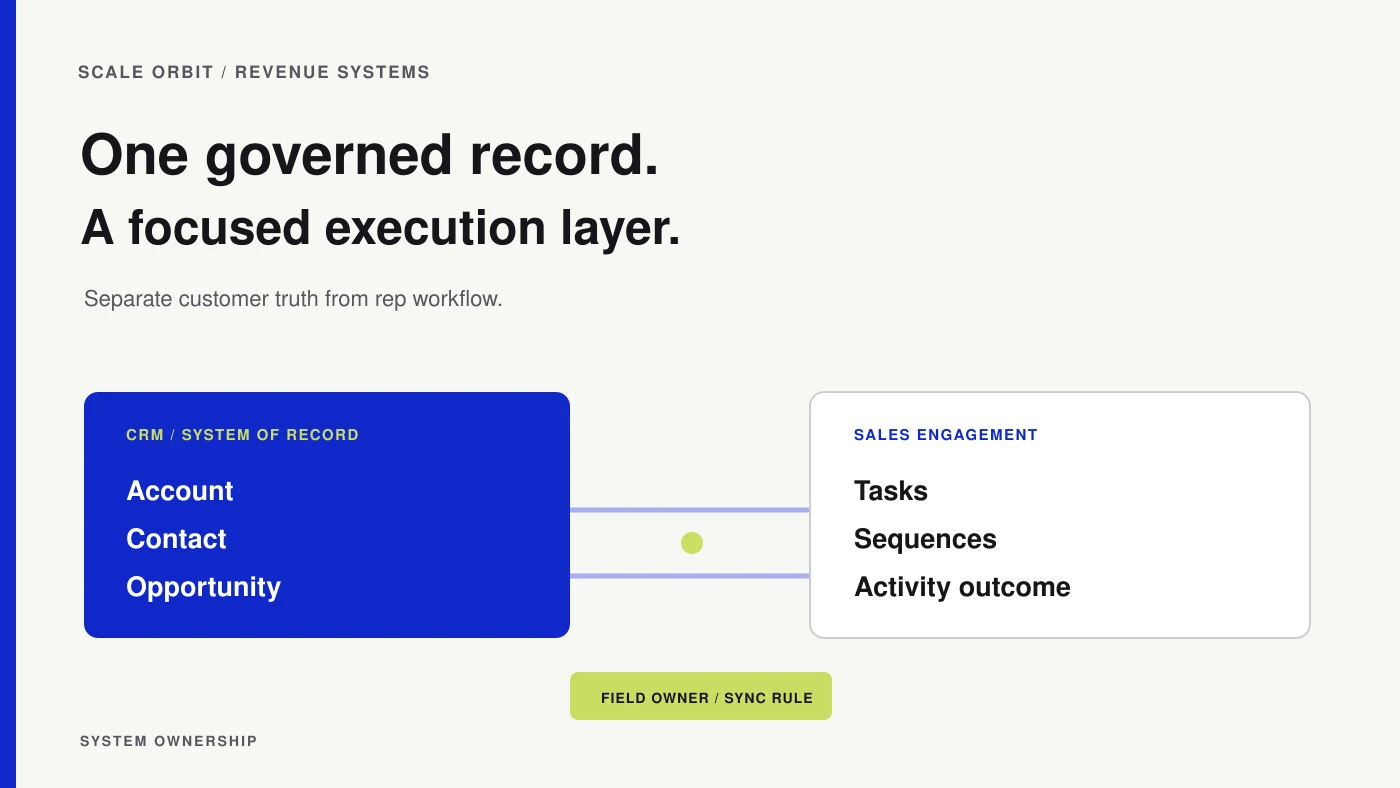
Sales Engagement Platform vs. CRM: How to Split System Ownership
A vendor-neutral decision guide to CRM and sales engagement responsibilities, field ownership, integrations, and workflow testing.
-
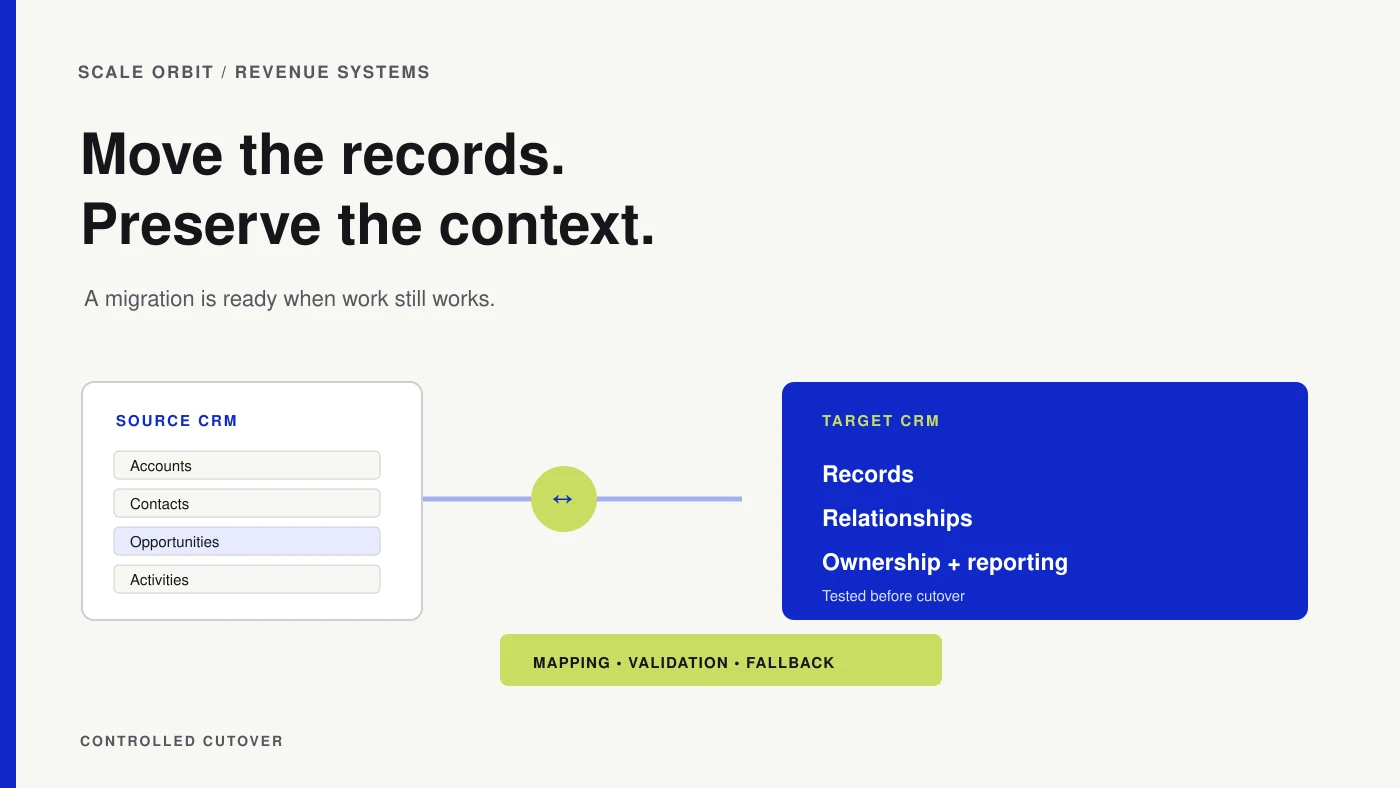
CRM Migration Plan: Move Data Without Losing Revenue Context
A controlled CRM migration plan for preserving data relationships, workflow behavior, ownership, and revenue reporting through cutover.
-
B2B Sales Compensation Plans: Design Incentives Around the Work
A practical sequence for setting compensation measures, crediting rules, quotas, payouts, and exception handling in a B2B sales plan.
-
SDR vs. BDR: How to Define Roles and Protect the Handoff
A practical guide to distinguishing SDR and BDR work by ownership, qualification evidence, and the handoff to sales.
-
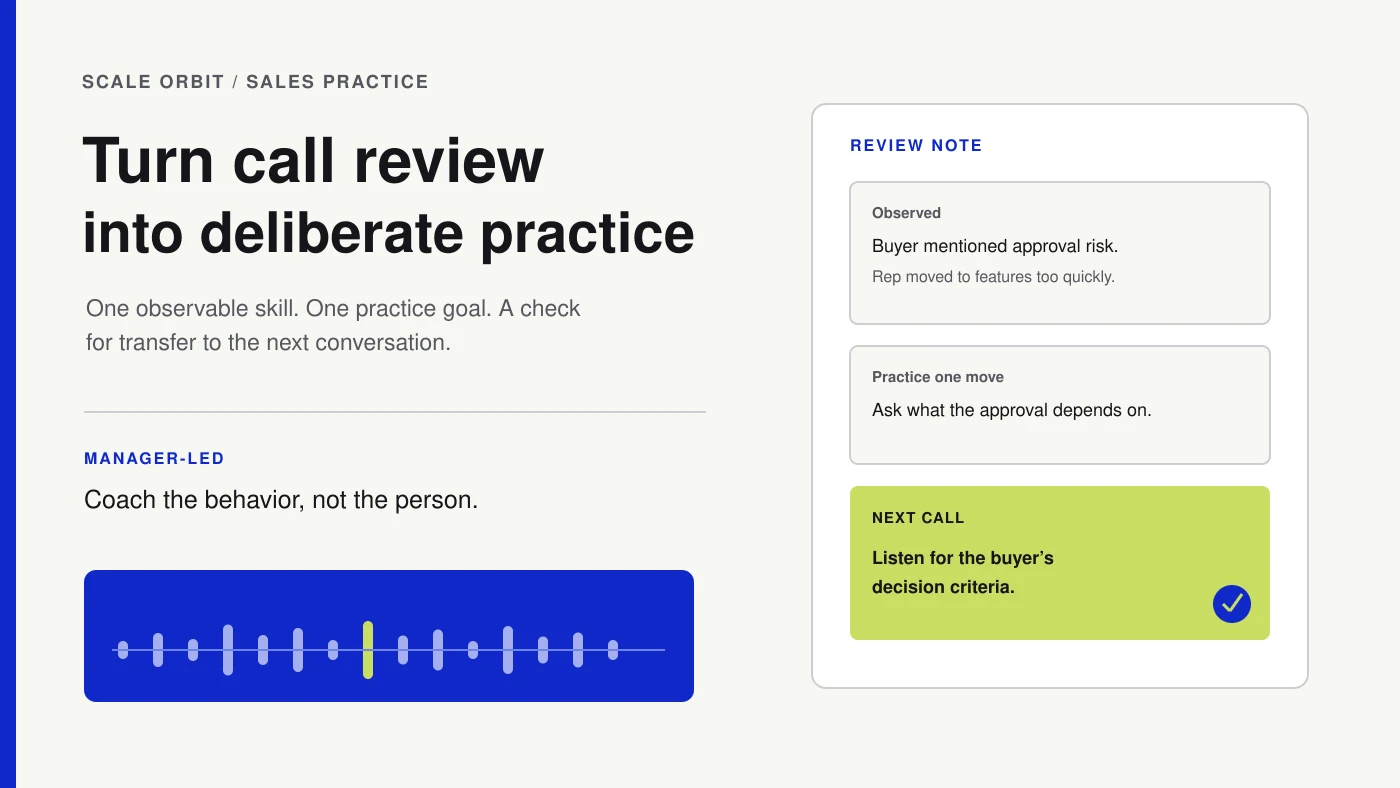
B2B Sales Coaching: A Call Review System Managers Can Repeat
A repeatable manager-led call review process that turns evidence into one specific practice goal and checks for transfer to later conversations.
-
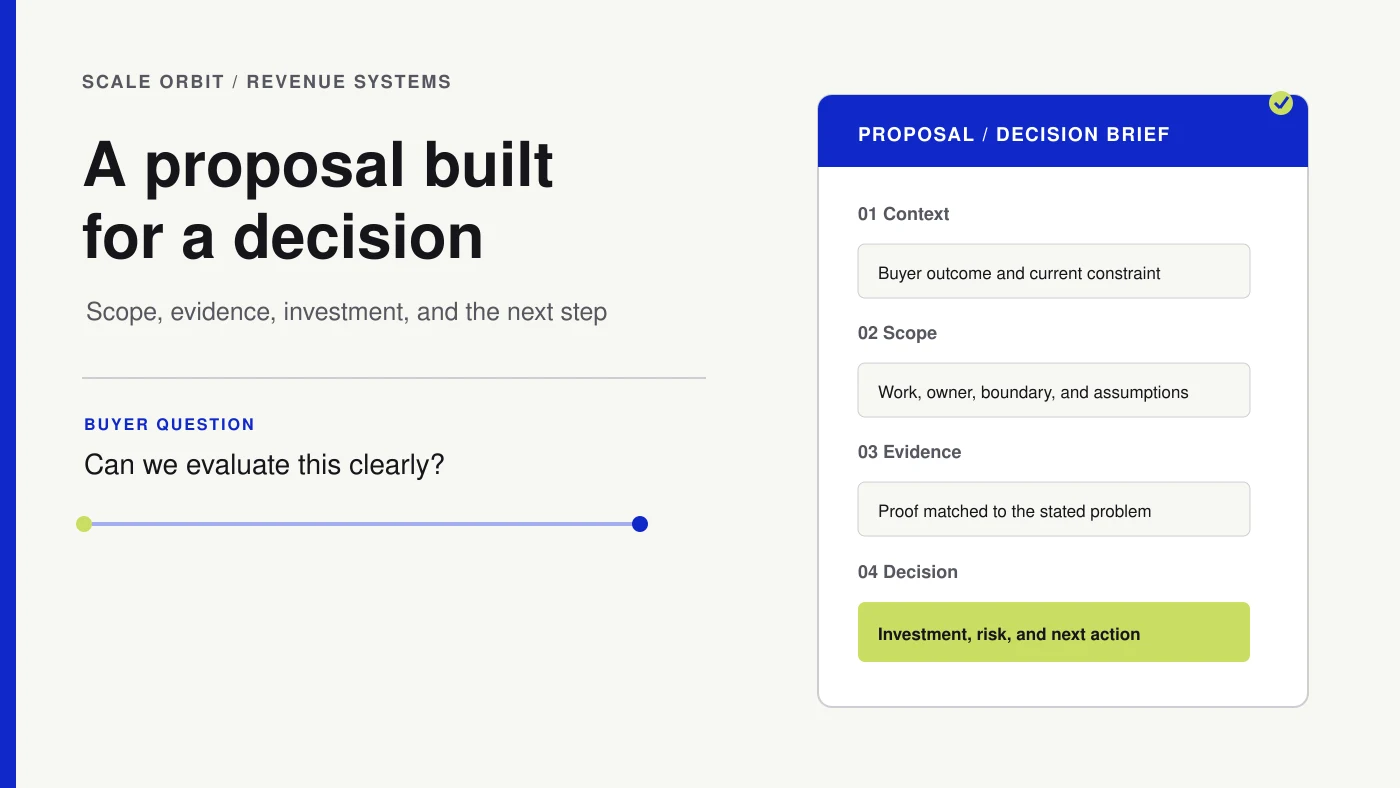
B2B Sales Proposal Template: Make the Decision Easy to Evaluate
A buyer-focused outline for connecting the problem, scope, evidence, investment, and decision path in a B2B sales proposal.
-
Lead Management Software: A B2B Buyer’s Guide to Fit and Workflow
A buyer’s guide to evaluating lead management software by workflow, record quality, ownership, integration, and outcomes.
-
Handling Sales Objections: A B2B Framework for Better Conversations
A practical B2B framework for identifying what sits behind an objection, testing the concern, and agreeing on a credible next step.
-
Sales Call Follow-Up Emails: 5 Templates for B2B Teams
A practical framework and five adaptable email templates for turning B2B sales calls into clear, buyer-relevant next steps.
-
B2B Channel Sales Strategy: Partner Sourcing, Deal Ownership, and Forecasting
Design a B2B channel sales motion with clear partner roles, lead and deal ownership, CRM rules, and forecast evidence.
-
B2B Buying Cycle vs. Sales Cycle: Measure Buyer Progress Separately
Separate a buying group’s decision process from the sales team’s tracked workflow, then connect both timelines to clearer B2B pipeline reporting.
-
HubSpot vs. Salesforce for B2B: Choose a CRM by Operating Fit
A practical B2B CRM selection guide covering data model, sales workflow, reporting, integrations, team ownership, and total operating cost.
-
Sales Operations: Roles, Responsibilities, and Metrics for B2B Teams
Define Sales Operations responsibilities, decision rights, metrics, and how the function fits with RevOps in a B2B team.
-
CRM Adoption for B2B Sales Teams: Improve Usage by Fixing Workflow Friction
Improve CRM adoption by removing workflow friction, clarifying ownership, and measuring whether sales work gets done in the system.
-
Salesforce Formula Fields vs. Roll-Up Summary Fields
Learn when a Salesforce formula field is appropriate, when to use a roll-up summary, and what relationship constraints apply.
-
Salesforce Role Hierarchy vs. Sharing Rules
Understand how Salesforce role hierarchy and sharing rules extend record access, how they differ, and why neither replaces object permissions.
-
Salesforce Lookup vs. Master-Detail Relationships
Compare Salesforce lookup and master-detail relationships by ownership, required parent records, deletion behavior, and roll-up summaries.
-
HubSpot Sequences vs. Workflows: Which Automation Fits?
Compare HubSpot sequences and workflows by purpose, enrollment, messaging, and governance so the automation fits the audience and task.
-
Salesforce Before-Save vs. After-Save Record-Triggered Flows
Learn when to use before-save or after-save record-triggered flows, how their jobs differ, and how to test changes without creating automation loops.
-
Salesforce Primary Campaign Source vs. Campaign Influence
Compare Salesforce’s single primary campaign source with campaign influence, including when multi-campaign credit is useful and what the reports require.
-
HubSpot Original Source vs. Latest Source: How Contact Attribution Differs
Understand the difference between HubSpot’s first-known and latest-source fields, what source drill-downs add, and how to preserve reliable attribution.
-
HubSpot CRM Implementation Checklist for B2B Teams
A practical HubSpot CRM implementation checklist for B2B teams, covering data design, migration, integrations, lifecycle stages, lead routing, reporting, and acceptance tests.
-
Proposal Win Rate for Professional Services: Formula and Fair Comparisons
Learn to calculate proposal win rate for a professional services firm, handle open proposals, segment by service line, and compare mature outcomes…
-
Salesforce Record Types vs. Page Layouts: What Each One Controls
A clear guide to Salesforce record types and page layouts, including picklist values, business processes, assignments, and Lightning record pages.
-
Salesforce Lead Assignment Rules vs. Queues: How Routing Really Works
Learn how Salesforce lead assignment rules route records, what queues do, and why queues do not create round-robin ownership by themselves.



















Need help choosing the next marketing action?
Describe the acquisition, measurement or pipeline problem you need to solve. Scale Orbit will review the context and identify a useful next step.
About this topic
The CRM and RevOps section examines the complete operational path from a captured lead to a qualified sales conversation, opportunity and revenue record. Topics include CRM implementation and governance, lifecycle stages, lead routing, lead scoring, source fields, data hygiene, follow-up standards, pipeline definitions, sales automation and reporting in platforms such as HubSpot, Salesforce and Pipedrive. The articles connect marketing activity with the records used by sales and leadership to evaluate commercial progress.
Use these guides to diagnose missing ownership, duplicate or incomplete data, slow response times, broken automations and handoff gaps between marketing, sales and customer teams. They explain how to design clear qualification rules, service-level expectations, pipeline stages and reporting logic without turning the CRM into an unnecessarily complex system.
This library is intended for founders, revenue leaders, marketing operations teams and sales managers who need more reliable pipeline visibility. The focus is a cleaner revenue infrastructure in which teams can trace demand, respond consistently, understand conversion between stages and make decisions from records that reflect what actually happened.