

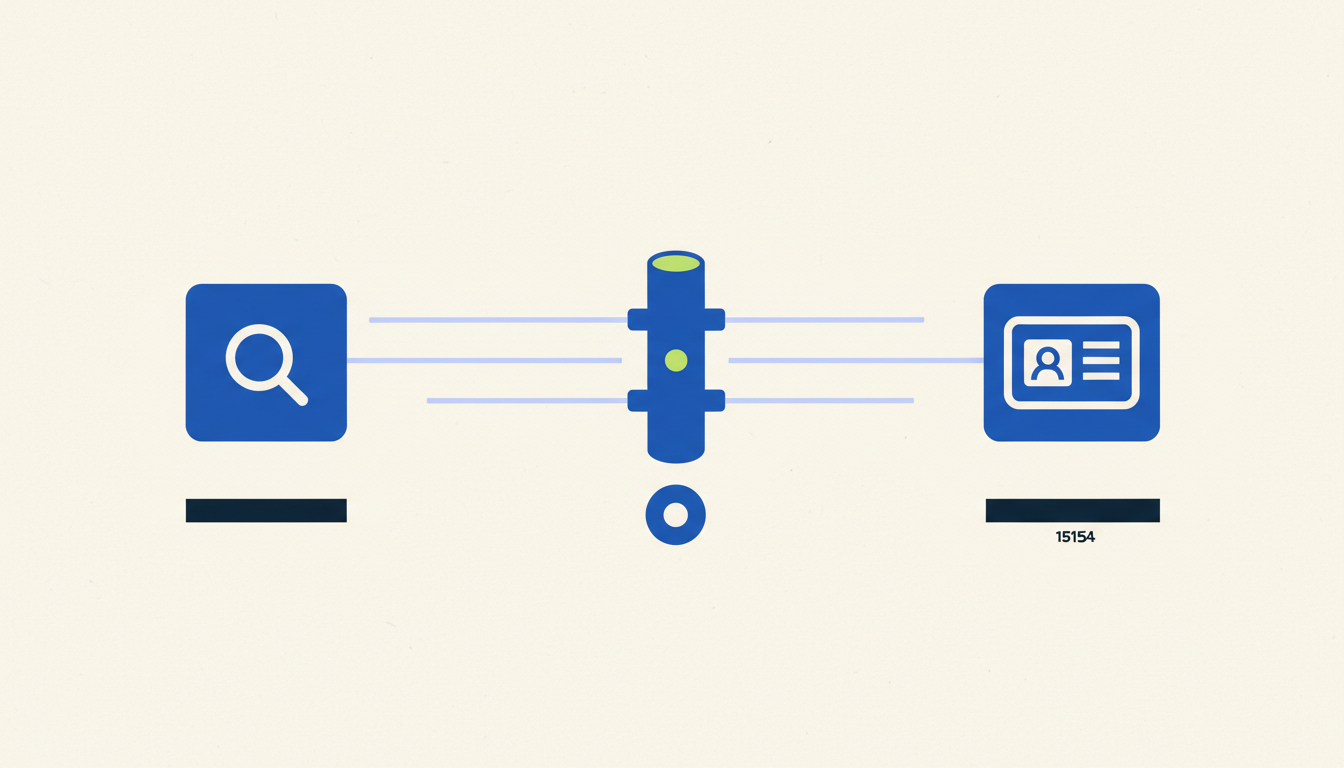
Google Ads and LinkedIn Ads reach B2B buyers through different signals. Google Search can capture an expressed need in a query; LinkedIn can select audiences by professional and company attributes. The better starting point depends on what your sales team knows about the buyer and what evidence you can connect to qualified pipeline.
Neither platform is universally better. Search is a stronger first test when relevant buyers already describe the problem in search terms. LinkedIn is a stronger first test when the target is defined by account, role, or buying-group membership and those people may not be searching yet. Use both when they serve distinct jobs and your measurement can keep their contributions separate.
The two platforms meet buyers at different moments
Google Search: a query is a demand signal
A Search campaign can put an offer in front of people while they are searching Google for a product or service. Google’s campaign type guidance describes Search in that context. The query is useful evidence about the problem someone chose to express, but it does not by itself prove account fit, budget, authority, or readiness to buy.
For B2B, the operating question is whether the query maps to a problem your offer solves and whether the landing page gives that searcher a credible next step. Review the search terms that trigger ads, separate research and support intent from commercial intent, and connect qualified submissions to the CRM. Do not assume every high-intent phrase creates an opportunity.
LinkedIn: audience selection is a reach signal
LinkedIn lets advertisers select audiences using professional attributes such as company and job experience, alongside other targeting options described in its official targeting guidance. That can help reach roles or named accounts before those people express a need in search. It does not show that the selected person is in-market or that a company is ready to engage.
The work is to define the audience narrowly enough to match the commercial strategy, but broadly enough to deliver and learn. A campaign that reaches the right job titles can still fail if the offer is generic, the buying group is incomplete, or the sales follow-up cannot respond to the resulting interest.
Choose by the signal the business actually has
Use this decision table to choose a first test. It is a planning aid, not a promise of performance.
| What you know about the buyer | A sensible starting point | Evidence to validate | Common failure |
|---|---|---|---|
| People search for a defined problem your offer solves. | Google Search | Relevant search terms, qualified account fit, and CRM acceptance. | Optimising to form fills while irrelevant queries or weak qualification remain. |
| You can name the accounts and roles that matter, but demand is not visible in search. | LinkedIn Ads | Reach among the intended account and role set, then qualified conversations or opportunities. | Treating professional targeting as proof of purchase intent. |
| The category is understood and buyers compare providers through active research. | Search first; test LinkedIn for account coverage if needed. | Search-term quality, landing-page continuity, and whether target accounts are already represented. | Running duplicate messages on both channels and attributing every later touch twice. |
| The sale needs several people to understand a new or complex solution. | Use a coordinated test with separate jobs for each channel. | Whether the right buying roles see relevant information and progress to a sales conversation. | Calling engagement from one person at an account a complete buying-group signal. |
Illustrative scenario, not a client result: A B2B software company has a defined list of target accounts, but its buyers search inconsistently for the category. LinkedIn can be tested for reach among the selected roles at those accounts; Google Search can separately capture people already researching the problem. Keep the two cohorts distinct in the CRM: audience and account exposure for one, query and landing path for the other. Compare accepted opportunities from each cohort rather than combining every later touch into one channel score.

Design a channel test around five decisions
- State the commercial question. For example: can search create qualified opportunities from an existing demand pool, or can role-based reach open target accounts that are not yet searching?
- Define the audience and exclusions. Specify market, account or company fit, role, query families, and out-of-scope traffic before launch.
- Give each channel a distinct job. Search can answer an explicit problem; LinkedIn can introduce or deepen a relevant conversation with selected roles. Avoid making the same impression the success criterion for both.
- Use one qualification definition. Keep the CRM meaning of accepted lead, sales-qualified opportunity, and sourced pipeline consistent across campaigns.
- Set a follow-up owner. Decide who reviews new activity, what counts as a meaningful response, and how the outcome is recorded. Without this, channel comparison ends at the form.
Compare commercial progress, not platform totals
Platform reports are useful for campaign diagnostics, but they do not replace a shared view of qualified outcomes. Build a scorecard that makes the denominator and time window explicit. One simple operating calculation is cost per accepted opportunity = channel spend ÷ unique opportunities accepted by sales in the defined cohort. State the cohort dates and qualification rule beside the result; keep sourced and influenced pipeline separate so one opportunity is not counted twice.
| Question | Useful measure | Interpretation guardrail |
|---|---|---|
| Are we reaching the intended market? | Share of paid responses that match the defined account, role, or segment criteria. | A high match rate is not the same as a qualified opportunity. |
| Does activity become sales work? | Accepted opportunities from the cohort divided by the cohort’s paid responses or cost. | Use one acceptance rule and let the cohort mature before comparing. |
| What does an accepted opportunity cost? | Campaign spend divided by accepted opportunities in the same defined cohort. | Do not compare different windows or include opportunities that sales has not accepted. |
| Where does the journey break? | Progression from paid response to first meeting, accepted opportunity, and later pipeline stages. | Show stage counts and elapsed time; small samples need cautious interpretation. |
When both channels belong in the same plan
Use both when the two channels solve different reach problems. For instance, search can intercept a known category need while LinkedIn supports account coverage for a selected buying group. Keep campaign purpose, audience, offer, landing path, CRM source, and sales follow-up legible at the opportunity level.
For a focused search comparison within Google Ads, see Google Ads Search vs. Demand Gen Campaigns. For another B2B social comparison, see LinkedIn Ads vs. Meta Ads for B2B. These answer different questions from choosing between search intent and professional audience selection.
The decision
Start with the demand signal your business can actually observe. Choose Google Search when query intent is the strongest available route to a qualified conversation; choose LinkedIn when account and role selection is the strategic constraint; coordinate both only when their jobs and CRM evidence remain distinct. The final comparison belongs in qualified pipeline and revenue records, not in a contest of clicks or platform-reported conversions.
Platform documentation checked October 21, 2026: Google Ads campaign types and LinkedIn Ads targeting options.
How did this article land?
Choose one reaction. You can change it anytime.